
Understanding the Impact of Thatch on Your Lawn
Thatch is a layer of dead grass, roots, and other organic matter that builds up between the soil and the green grass above. This layer can prevent water, nutrients, and air from reaching the root system of your lawn, leading to poor grass health. If ignored, it may cause disease, pests, and weak grass growth. Understanding how to manage thatch is crucial for keeping a lush, healthy lawn.
The Importance of Regular Lawn Care
Regular maintenance is key to reducing thatch buildup. Simple practices like mowing, watering, and fertilizing help maintain a balanced ecosystem in your yard. However, when these methods aren’t enough to combat thick thatch layers, more targeted solutions become necessary. One effective method is lawn aeration. By periodically addressing the condition of your lawn, you ensure it remains vibrant throughout the year.
How Aeration Works to Break up Thatch
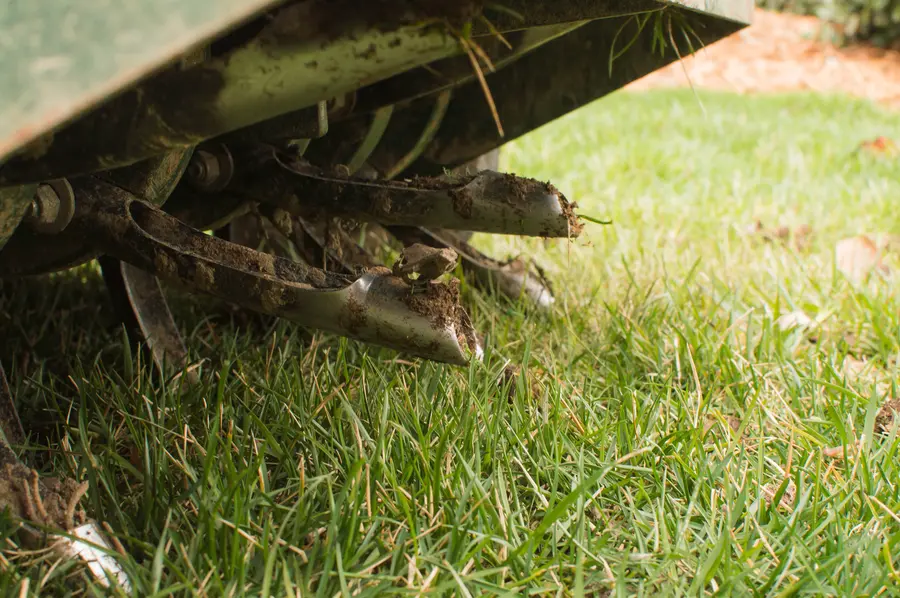
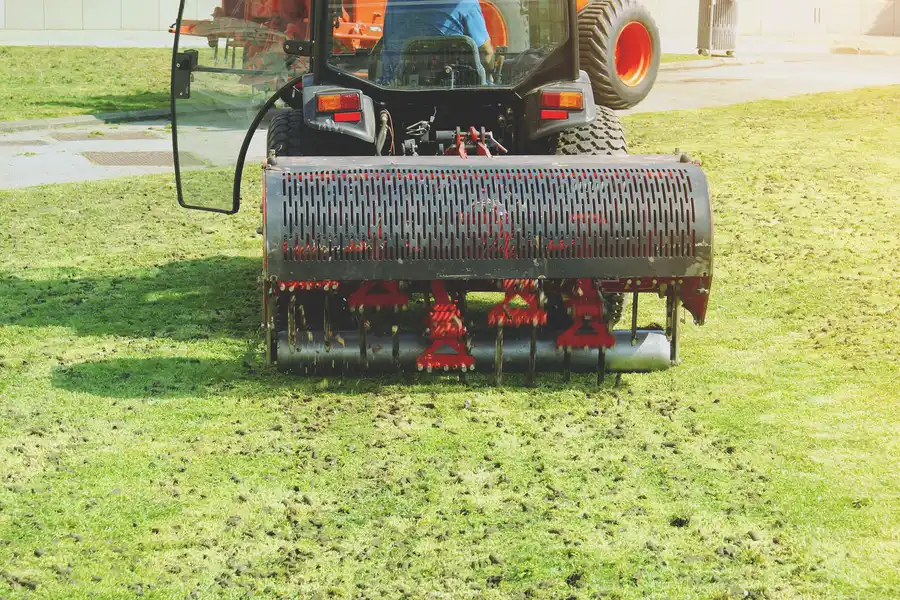
Aeration involves creating small holes in the soil to allow air, water, and nutrients to seep into the roots. This process helps break down compacted soil and speeds up the decomposition of thatch. During aeration, plugs of soil and thatch are removed from the ground, which encourages microbes to decompose the remaining organic matter faster. Through regular aeration, lawns become healthier as they receive essential resources more efficiently.
Benefits of Reducing Thatch Buildup
Keeping thatch under control provides numerous advantages:
- Enhanced nutrient absorption by grass roots
- Improved airflow within the soil
- Reduction in pest and disease presence
- Stronger and deeper root systems
- Lusher, greener turf appearance
By properly managing thatch levels, you foster a robust lawn less prone to common issues faced by homeowners.
Challenges Associated With Excessive Thatch
When thatch becomes too thick, it acts as a barrier to vital elements needed for healthy growth. The lack of oxygen and moisture can lead to dead patches and browning grass. Additionally, excess thatch creates an ideal environment for pests such as grubs and diseases like fungi to thrive. These problems not only affect your lawn’s appearance but also its overall vitality.
Practical Steps for Effective Thatch Management
If your lawn suffers from excessive thatch buildup, consider these steps:
- Identify areas with thick layers of thatch using a shovel or core sample
- SCHEDULE REGULAR Aeration sessions to promote decomposition
- Avoid over-fertilizing or over-watering which can contribute to rapid thatch growth
- Incorporate organic topdressing materials such as compost to enhance microbial activity
Adopting these practices will help reduce thatch effectively and encourage healthier grass development.
Best Practices for Long-Term Lawn Health
Maintaining a healthy lawn involves consistency in care routines. Experts suggest:
- Mowing at the correct height to avoid stressing the grass
- Watering deeply yet infrequently to promote deep root growth
- Applying fertilizers in moderation tailored to specific lawn needs
- Using professional tools for lawn aeration processes
Following these best practices ensures your lawn stays resilient and beautiful over time.
Investing in Professional Lawn Services
Although many lawn care tasks can be done individually, investing in professional services guarantees expertise and quality results. Professionals have access to specialized equipment and knowledge about local climate conditions affecting your lawn’s health. They provide tailored solutions ensuring optimal care for unique landscapes.
Your Path Toward a Healthier Lawn Starts Here
A well-cared-for lawn enhances curb appeal while providing environmental benefits. Our team at New Life Lawn & Landscaping specializes in comprehensive lawn services designed to meet all your needs. Located in Smithfield, VA, we understand regional requirements and deliver personalized care plans accordingly. Call us today at (757) 290-1115 to transform your outdoor space into thriving greenery.