
Improve Your Lawn’s Strength and Health
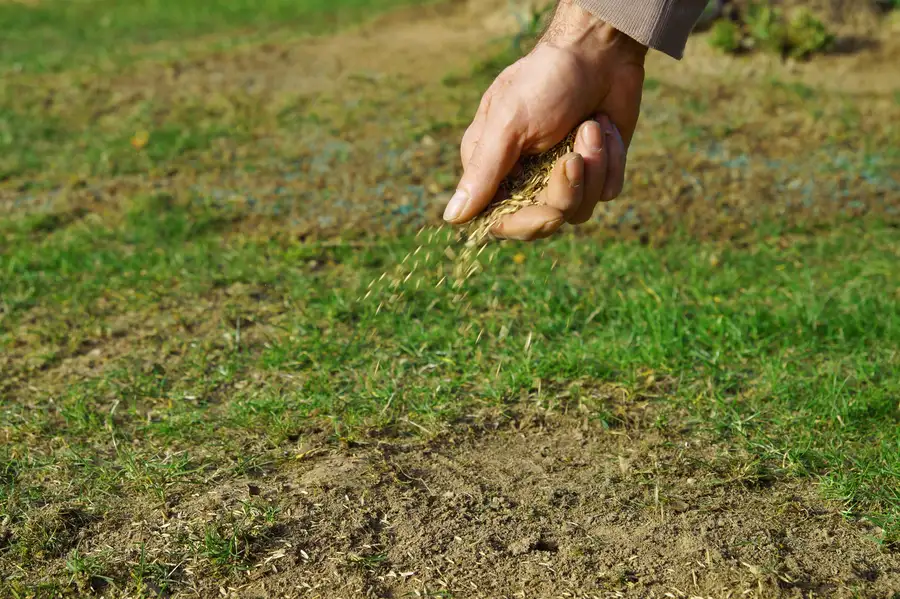
Homeowners and sports field managers alike strive for a lush, durable lawn. One method that significantly boosts turf resilience is overseeding. This practice involves planting grass seeds directly into existing turf without tearing up the turf or soil. By doing so, you can enhance your lawn’s density, health, and aesthetic appeal. It also helps repair bare spots and improve disease resistance. In this article, we’ll explore how this technique fortifies your lawn, making it stronger and more vibrant.
Why Lawn Density Matters
A dense lawn not only looks beautiful but also serves several functional purposes. Thick grass reduces weed growth by crowding out unwanted plants. It also prevents soil erosion by holding soil in place better than sparse grass can. With a denser lawn, less water is required to maintain its green appearance because the thick canopy shades the soil, reducing evaporation.
The Role of Grass Varieties
Choosing the right grass varieties is crucial when aiming to enhance turf durability through overseeding. Different grass types have distinct strengths such as drought tolerance or shade tolerance. By selecting seed mixes tailored to specific needs, you ensure that your turf remains resilient under various conditions. For instance, cool-season grasses like Kentucky bluegrass are ideal for northern climates, while warm-season grasses like Bermuda thrive in southern regions.
Timing Is Key for Success
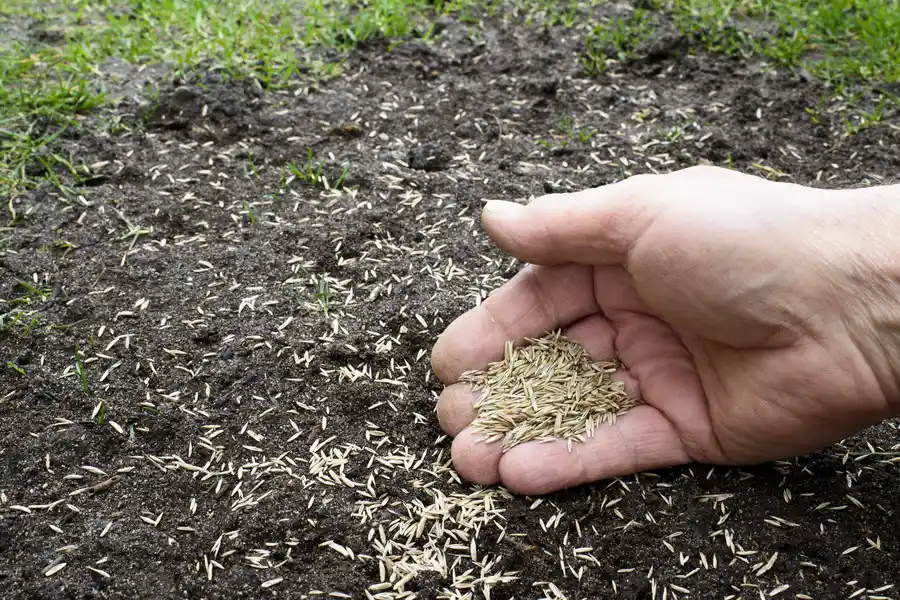
To maximize the benefits of overseeding, timing is essential. The best time to plant new seeds depends on the type of grass you’re using. Cool-season grasses should be seeded in early fall when temperatures are cooler but before the first frost. Conversely, warm-season grasses do best when seeded in late spring or early summer. This ensures optimal germination and establishment before extreme weather hits.
Steps to Successful Seed Planting
- Mow the existing lawn shorter than usual to allow seeds to reach the soil.
- Rake to remove debris and thatch, providing better seed-to-soil contact.
- Spread the chosen seed evenly across the area using a broadcast spreader.
- Water lightly but frequently until the seedlings establish.
Common Mistakes to Avoid
Many people make errors during the overseeding process that can hinder results. Overwatering is one common mistake; too much water can wash away seeds or create fungal problems. Underestimating the amount of seed needed can lead to patchy areas instead of a uniform lawn. It’s also important not to cut corners with preparation steps like raking and mowing, as these greatly affect seed success rates.
The Cost Factor in Enhancing Durability
The costs associated with enhancing turf durability through this method depend on several factors: lawn size, seed type, and whether professional help is enlisted. While initial expenses may seem high due to purchasing quality seeds and equipment rental, the return on investment is significant. A healthy lawn increases property value and reduces future maintenance costs by curbing pest invasions and disease spread.
Expert Recommendations for Long-Lasting Lawns
Experts suggest regular maintenance practices alongside overseeding to maintain a durable lawn. This includes proper mowing techniques, adequate fertilization schedules, and consistent watering practices tailored to your grass variety. Aeration every couple of years will further enhance root growth and nutrient absorption, ensuring your lawn stays robust over time.
Strengthen Your Lawn Today
Your lawn can become both beautiful and durable with the right approach. Implementing overseeding along with expert-recommended maintenance practices is key to achieving long-lasting results. Reach out to us at New Life Lawn & Landscaping for personalized guidance tailored to your area’s unique climate conditions. We serve clients throughout Smithfield, VA and are eager to help you create a lawn that’s both eye-catching and resilient. Call us today at (757) 290-1115 to get started!